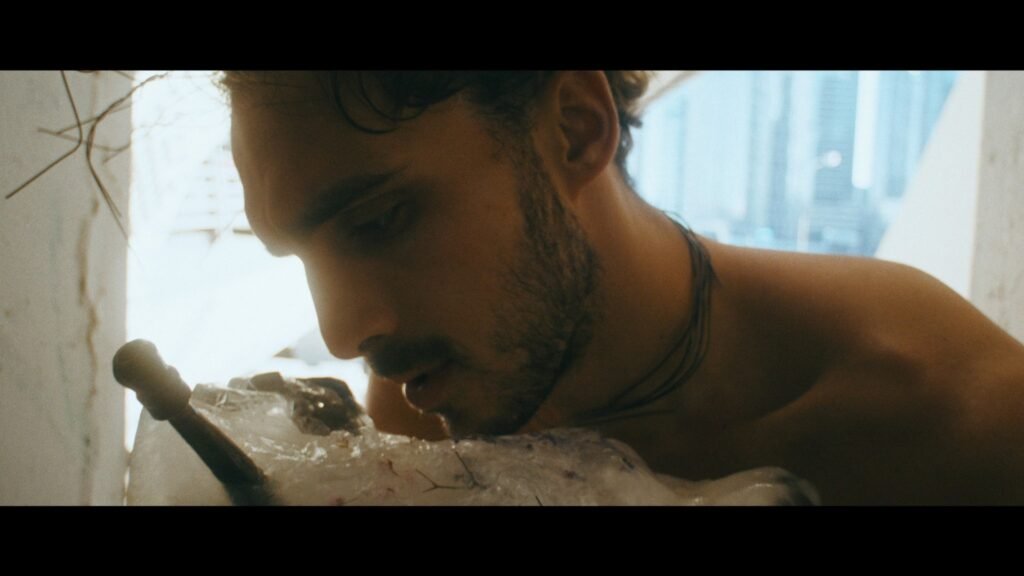
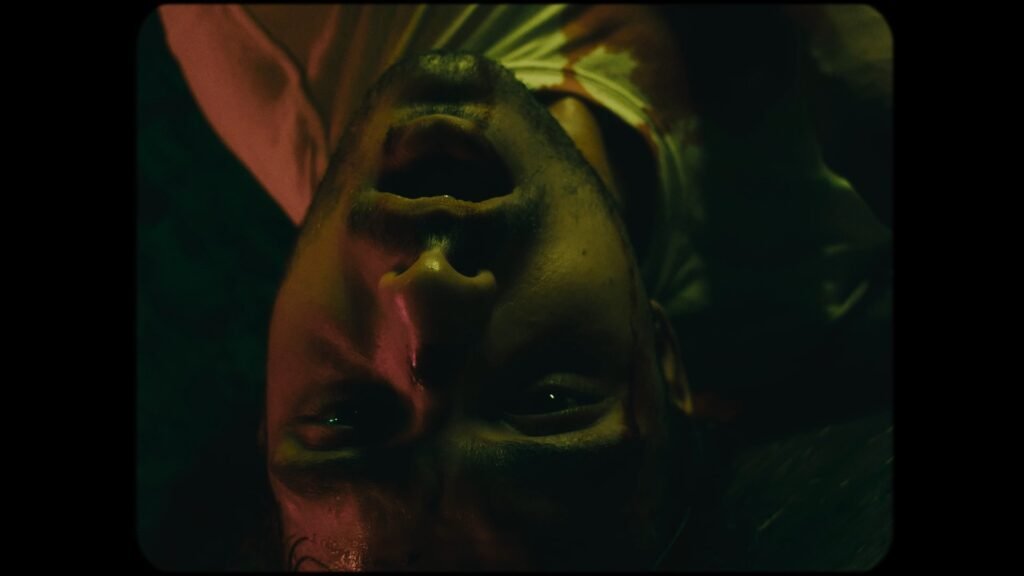
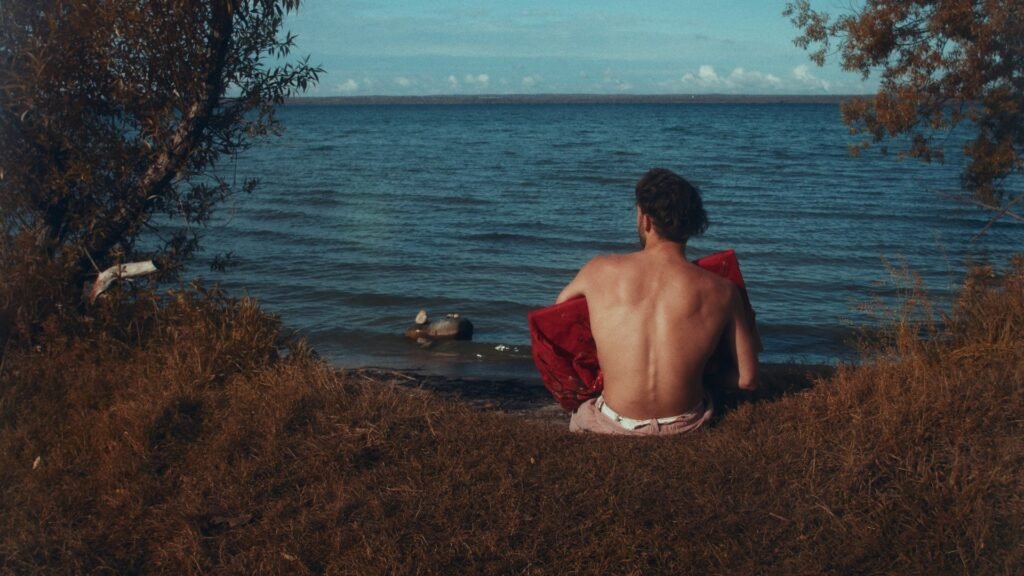
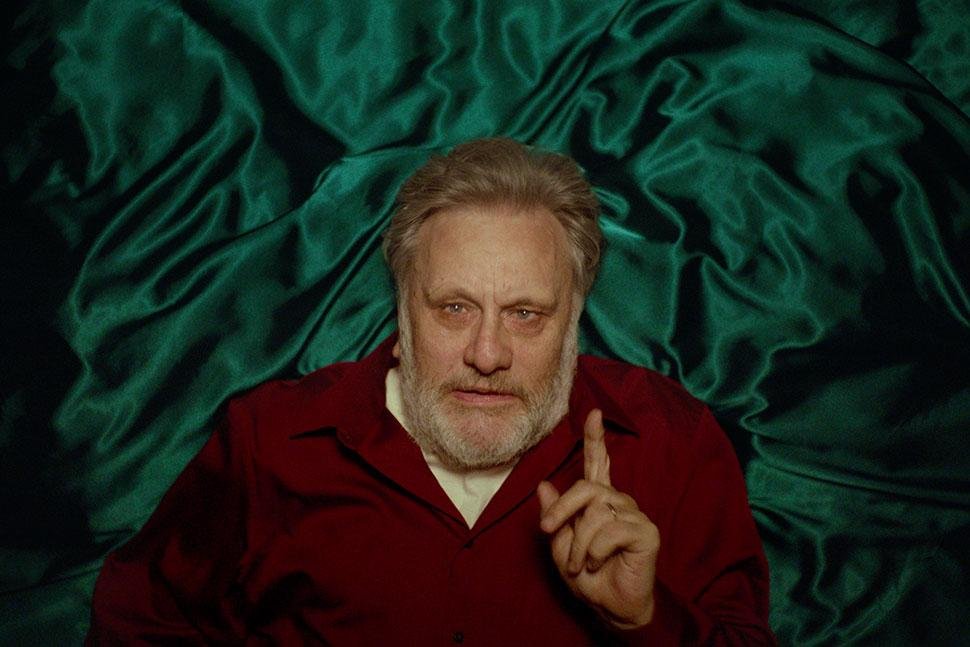
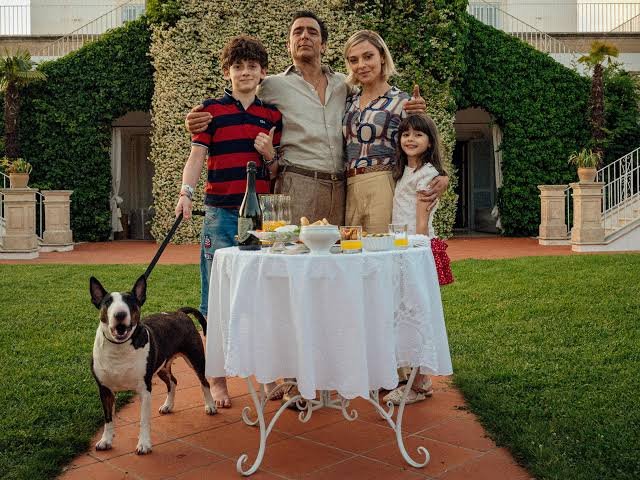
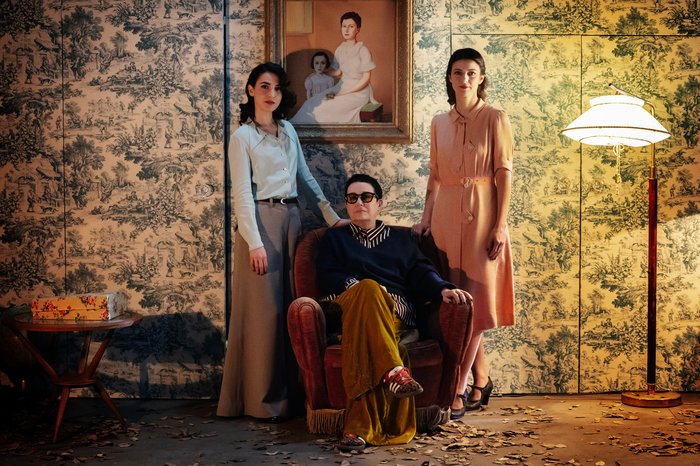
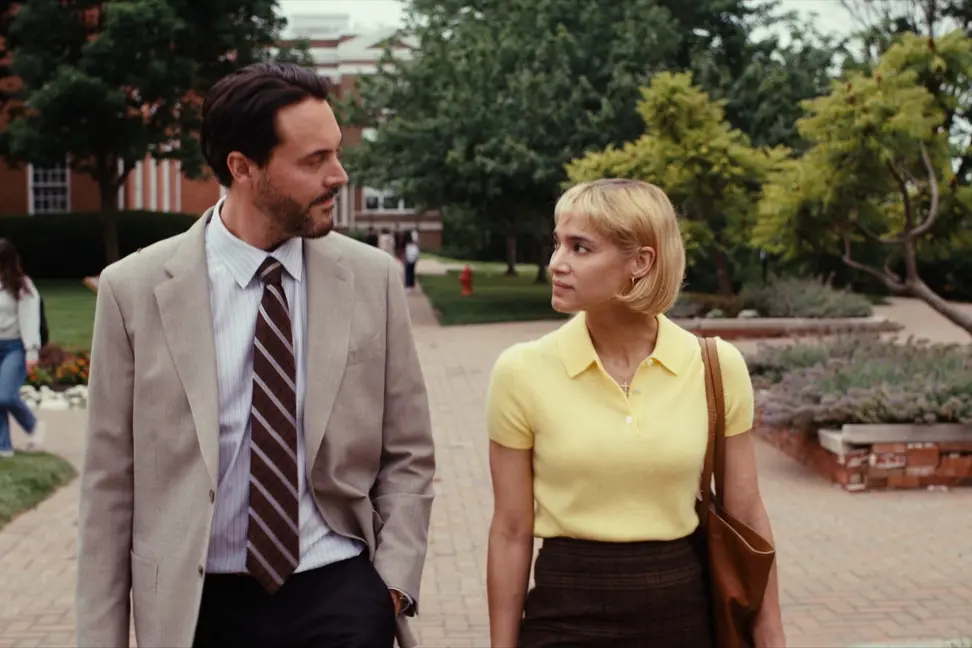
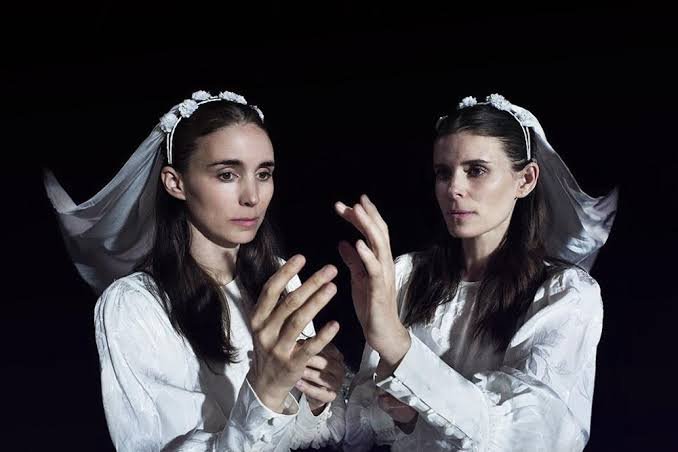
«The Ode on Cure is a journey from a frail body, through the coldness of the mind to the heat of the soul with the hope of finding the only lifeline in the fatal maelstrom of anxiety and misunderstanding»
(Vladislav Motorichev)
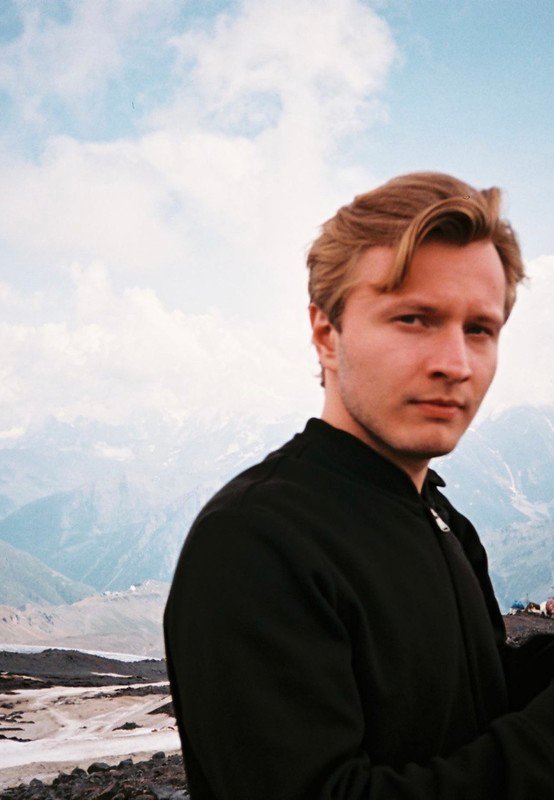
These are the words of Vladislav Motorichev, a young independent theatre and film director, about his debut short film. After attending to more than 15 international professional film sets and more than 40 theatre performances, he decided to challenge himself, giving birth to everything he had learned through experience and, above all, to his creative expression. After having been immersed in the artistic world throughout his student and professional life, he decides to give life to his creative flow, to embody his artistic soul. That’s how The Ode on Cure is born: a journey of an artist’s soul as it explores the unlimited boundaries of soul and body, attempting to return home.
The Ode on Cure by Vladislav Motorichev
«The entire film is my interpretation and fantasy»
(Vladislav Motorichev)
For a true and pure artist, creativity and inspiration come from a deep and personal place that can only be found through deep introspection and self-exploration. The creative process can be seen as a journey in which the artists explore their soul, reaching the depths of their being to find the inspiration necessary to create authentic and meaningful art. This journey can be painful and challenging, but it is essential for the artists who want to create works that are true expressions of themselves. The path can be solitary and require total commitment, but it is through this complete immersion that the artists can reach their soul and create works of art that are unique and meaningful.
In this sense, there is a coincidence between the journey of the film character and the creative act of the director. A solitude of two dances to the notes of a free artistic expression.
The Ode on Cure by Vladislav Motorichev
«This motion picture touches on the topic of escapism from reality along with getting to the heart of the matter of what the mission of the pure artist’s soul is. At the same time, it’s essentially about the vital need to find the impartial measure while dealing with the fragility of desire and one’s impotence to fulfil it».
(Vladislav Motorichev)
However, the artist’s creative expression does not come from nothing, but is surrounded by substrata of cultural influences, conscious or unconscious, that form the artist’s identity. Vladislav Motorichev is able to identify who or what was able to light the fuse that he then managed to cultivate into an authentic fire.
The Ode on Cure by Vladislav Motorichev
«Since I began directing in theatre, and then in film, I have always found myself looking for a special approach to embody the figment of my imagination, being significantly impressed and influenced by the alienation of Brecht and Grotowski’s poor theatre. Also, I rook inspiration from two facets of art – the first one is the poem by Keats Ode on a Grecian Urn and the second is Alberto Giacometti’s art works, notes, and letters. Each of them is not a literal representation of themselves; however, more likely a metaphorical transfiguration with an attempt to highlight the verisimilitude features and purposes of each outstanding art phenomenon».
(Vladislav Motorichev)
The director seeks a synthesis of fragmentations, attempting to bring order with photography and editing to a practice of artistic creation that, in itself, is indefinable. However, this film tries.
Artistic creation, therefore, plays in the balance between awareness of the world, self-awareness and expressive freedom, unconscious and absolutely not shackled by ethical, aesthetic or moral rules.
«Art is also that movement which both exalts and negates. “No artist tolerates reality,” says Nietzsche. It’s true, but no artist can do without reality. Creation demands unity and the rejection of the world».
(Albert Camus, L’Homme révolté. Essais, 1951)
Awareness of the world and awareness of the self and its possibilities seem to be a distinguishing feature of Vladislav Motorichev who, knowing the reality of theatre and the (un)reality of cinema, is able to deconstruct these languages and look out onto the freedom of existence.
«Currently, we are living almost in the Boccaccio’s Decameron. Humanity experiences very dark and hostile times, the future looks bleak, and many people’s dreams are shattered because of the terrible war, famine and all the disheartening things. The main idea of The Ode on Cure was to create a pure piece of beauty and kindness, as I believe these are the only remedies that resist all the worst we have on our planet and give us the hope that one day all the beauty, light of knowledge and unblemished of deeds will outweigh senseless malice and violence»