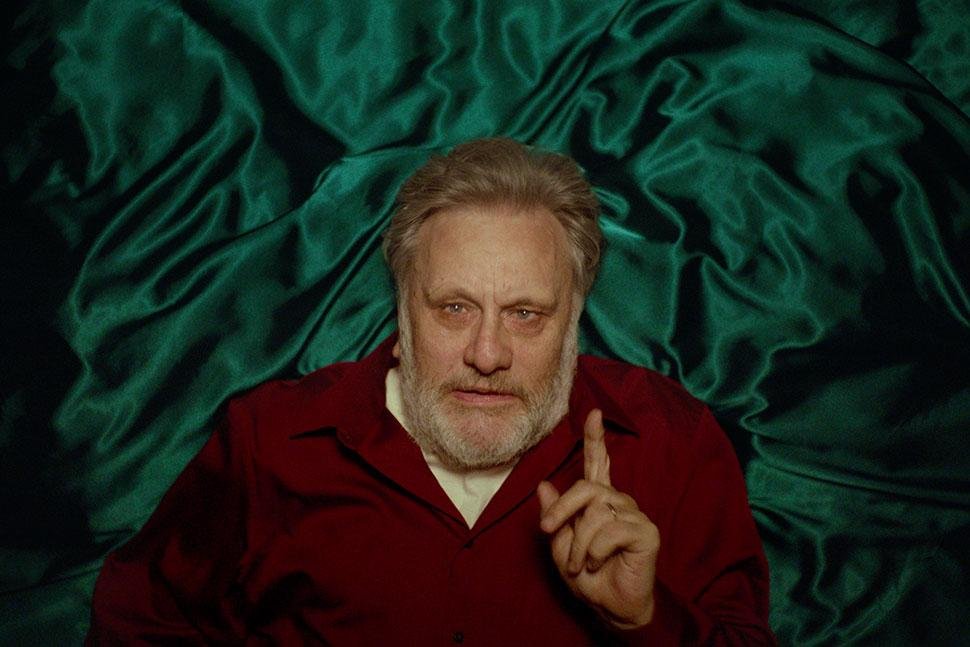
Fumito Fushi is a writer, an actor and an independent film director who was born in Osaka, Japan. During studying in the USA for a year, he learned film making of summer extensive class in NYU.
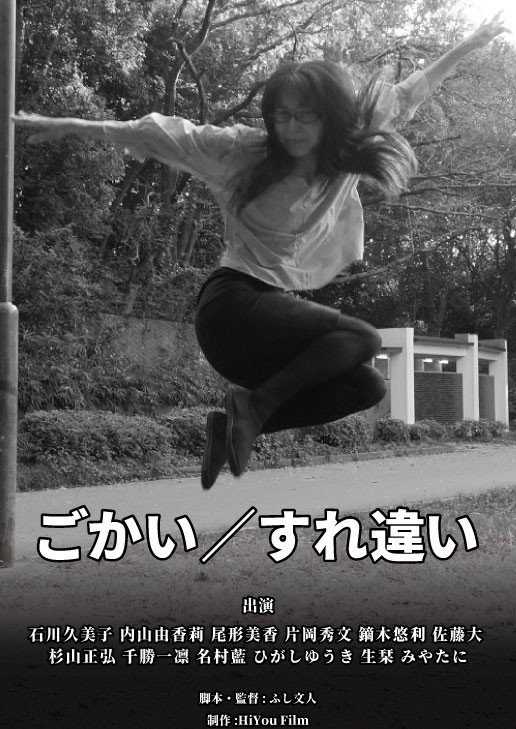
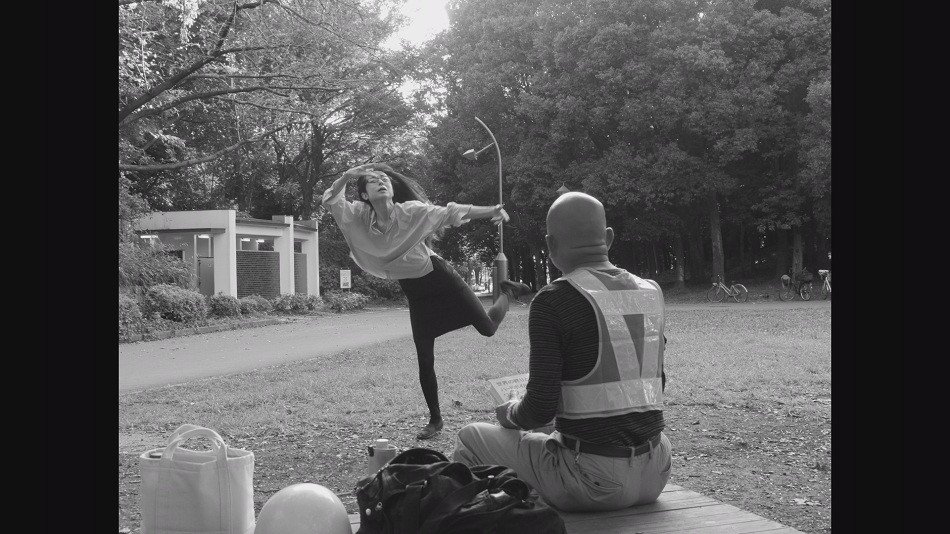
His last work is the experimental Misunderstanding /Even Though Talking: an omnibus short story dealing with people’s misunderstandings even though talking. This is an experimental work with black and white still photographs. He draw the misunderstandings of a man and a woman in several situations.
Dialoguing with the absurd, incommunicability and misunderstanding, the Japanese director makes irrational situations of everyday life cinematic, striking a balance between form and content.
Words lose their meaning, or at least prove ineffective because they do not imply actual causal action. Black-and-white images dialogue with each other, but misunderstanding becomes the absolute protagonist.
We had the opportunity to interview the director, attempting to establish a dialogue while being aware of incomuinicability and incoprension as an existential and, therefore, cinematic subsoil.
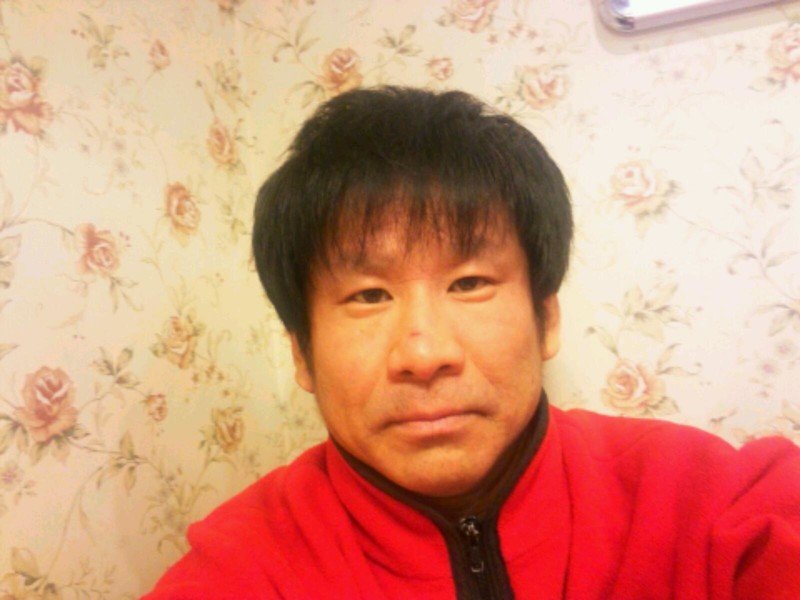
Tell us about the creative process in the making of your film.
FUMITO FUSHI
I have many ideas about filmmaking through watching various movies. So I want these ideas to complete as much as I can. If I’m a commercial film director, I would not make such a type of film,
Misunderstanding/Even Though Talking which is very experimental.
Now I’m a independent film maker who is easy to make movies of my own ideas. I know it’s almost impossible to make block bustard films with big budget, but it’s possible to make any kind of daily life movies by myself with my small team.
What were your cultural, literary, musical, film and philosophical influences
in general and for this specific work?
FUMITO FUSHI
In general I like black&white film. My favorite films are Godard Blessless, Cassavetes Shadows, Faces, Jarmush Stranger Than Paradise and so on.
For this specific work, La Jetee by Chris Marker influenced my film Cross Road that I made ten years ago.
Cross Road is total silent film about a man and a woman. I wanted more men&women, and a little bit difference like not silent but talky for my new film.
«The world, in itself, is not reasonable: it is all that can be said. But what is absurd, is the
confrontation of this irrational with the violent desire for clarity […] The absurd depends as
much on man as on the world, and is, for the moment, their only link»
(Albet Camus, The myth of Sisyphus, 1942)
What do you think of this statement?
Do you think it might have something to do with your work or your creative process?
FUMITO FUSHI
I like Albet Camus. Even I was influenced by his value in my youth time. The world is too
absurd to live, etc. Then I began making films to confront people, world and myself.
It made me to feel free.
I keep making experimental (and absurd theme films). I can open a door to people by film making, screening and film festival. Now I have a passion, hope, and relationship with the irrational world.
What do you think a viewer might first perceive and then think in front of your film?
FUMITO FUSHI
I think a viewer might have an impression of my experimental film like
‘what’s going on this black & white film?’. Then, the viewer might understand the film style, search the theme, and imagine the background of the characters. Some of viewers might like a few episodes, and the others might find their favorite episode.
Do you consider your film cinema or video art?
Where do you draw the line?
Where do you find more freedom of expression?
Is a definition really necessary in these visual arts?
FUMITO FUSHI
I consider my film as as cinema, definitely. Because I like classical style of movie, I don’t think I will ever make modern video art. Perhaps I should not draw the line between cinema and art, though. At least I need a story and a style as an audience and a film maker myself. Then I can feel more freedom.
What are your next projects?
FUMITO FUSHI
My next projects are three feature films below.
One is about orphans’ home. A girl looks for love. Her name is actually ‘love’ in Japanese.
It’s a human drama in real life and social community. I’ve almost finished editting.
Next movie is a unique timeloap movie. A young lady who is a gay spends a boring daily life as a waitress, but suddenly she gets into time loap and a guy asks her out many times. Even though she says ‘Yes’ or ‘No’, the same scenes keep going. It’s very absurd and irrational situation. After coming back from the hell where she actually goes, she realizes what the daily life and the gender means to her. I edit it.
Third film which I’ve just start shooting is an ensemble drama. Actually, I found the movie idea after completing Misunderstanding /Even Though Talking. Many characters in the film have conflicts with their cruel (conservative) society, like suicide, death penalty, religious matters and so on. They belong a theatrical company and just real their family. I want to know what helps them in their lives. Love? Family?? Creativity?? God???
These projects will be finished by independent film making way. Unless they get big titles of awards in big international film festivals, it’s very difficult to be screened in movie theaters in Japan. Still I hope they will be, and audiences will like my feature films.