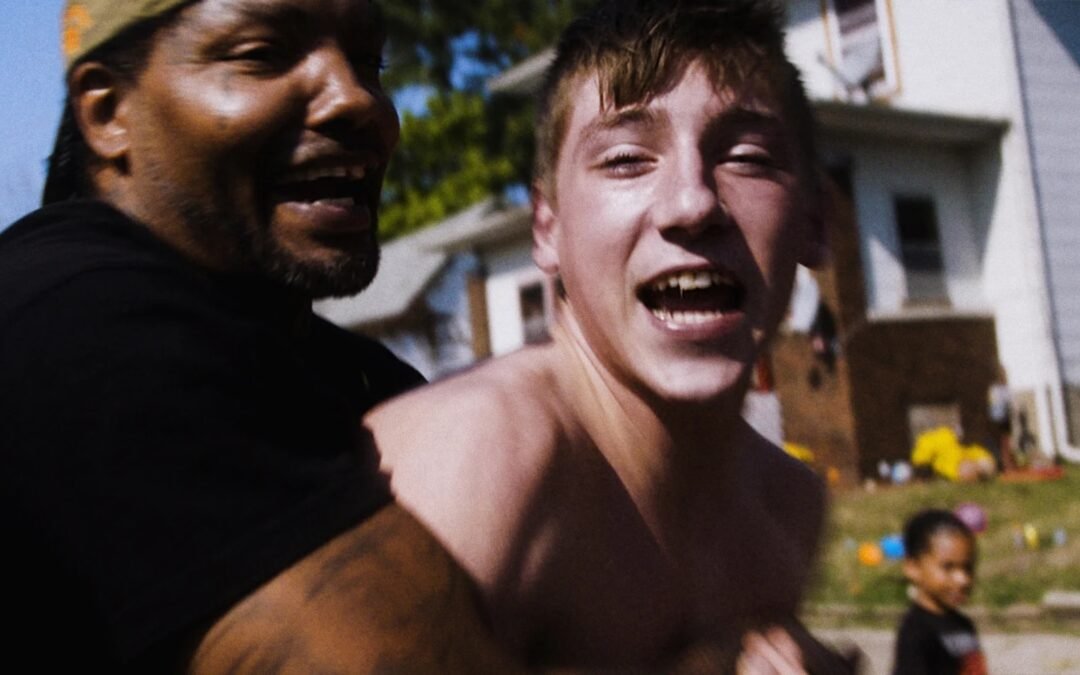
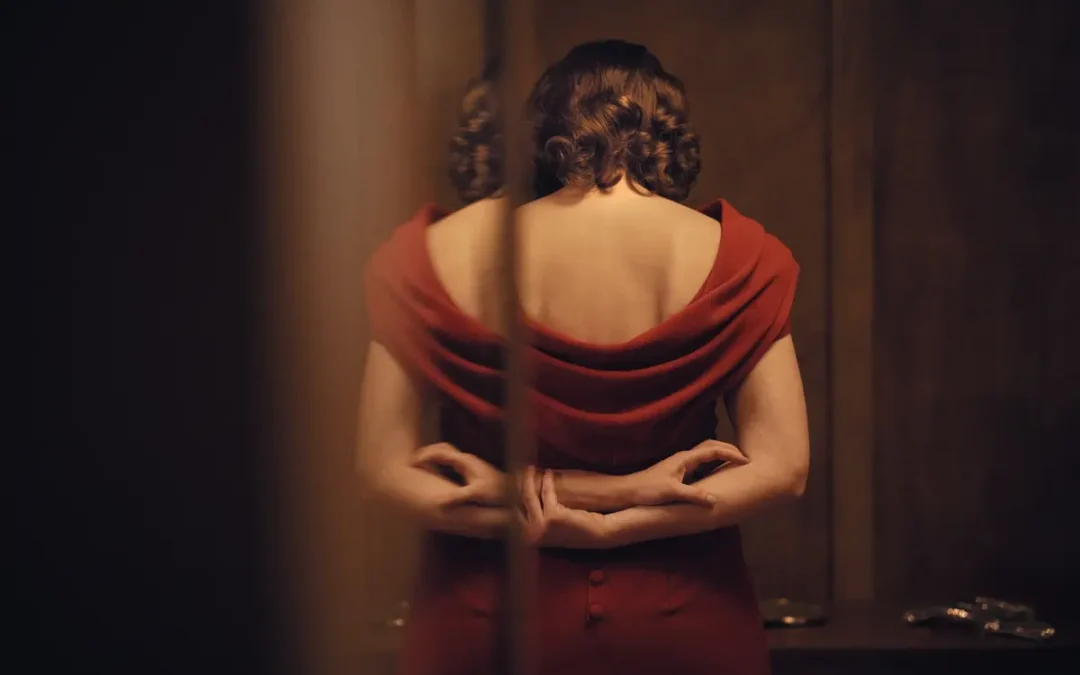
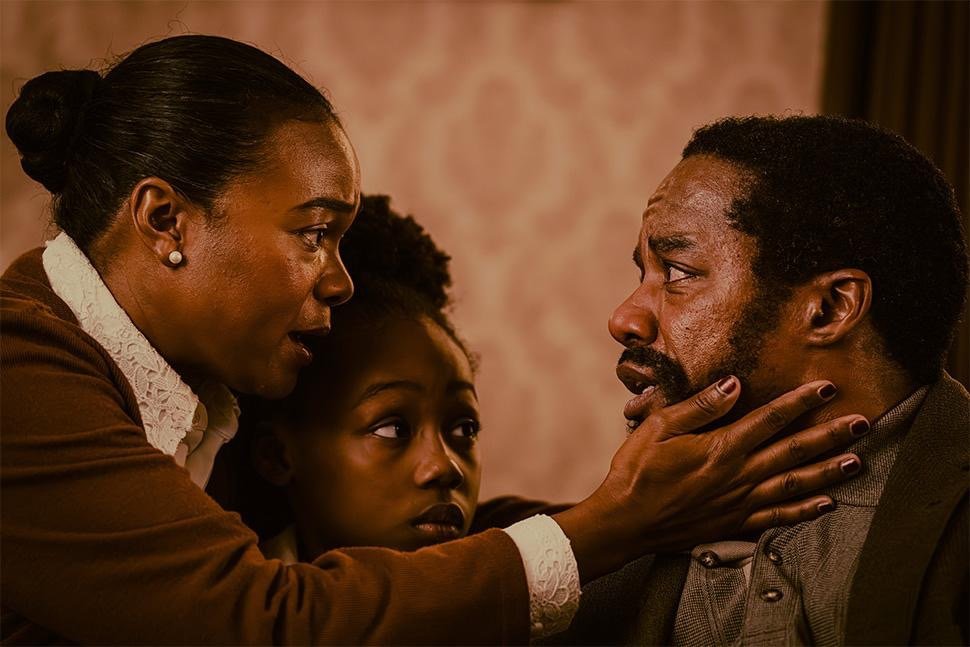
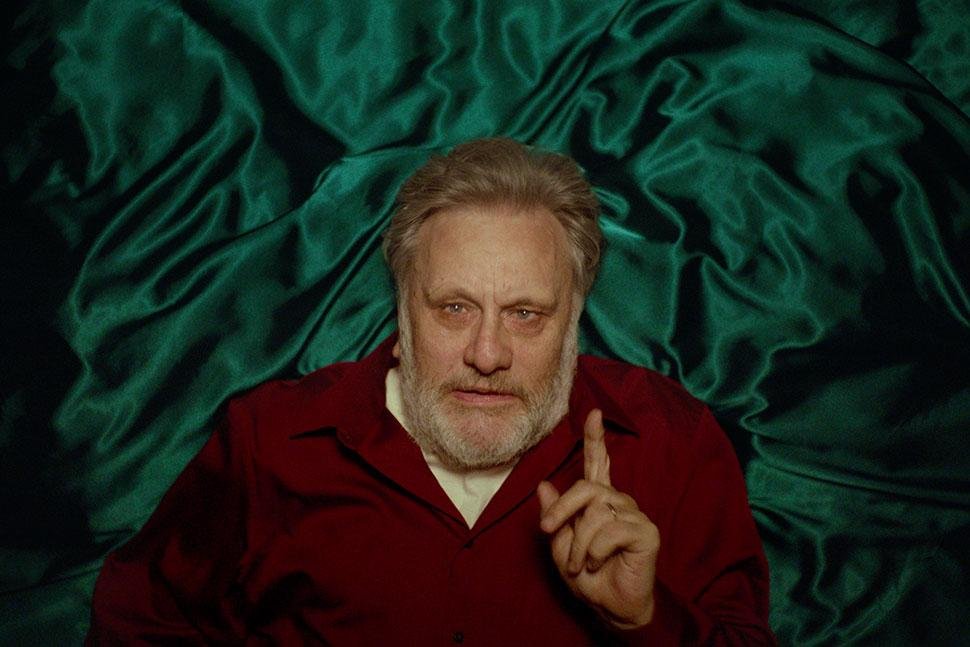
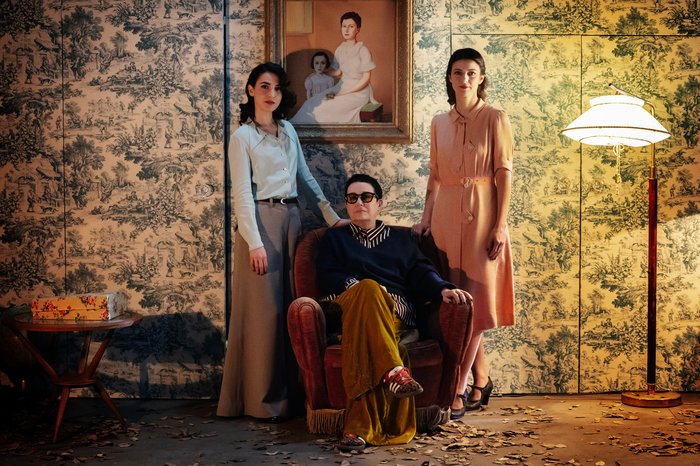
Identity is a film that follows a group of kids who are questioning their own gender identity. Specifically, the film focuses on the journey of a transgender boy who is dealing with cyberbullying, while his peers, who identify as straight, gay, non-binary, or transgender, explore their own gender identities and pronouns.
The topic of gender identity has become increasingly relevant in recent years, due to the growing awareness and visibility of transgender individuals and those who identify outside of the traditional binary gender framework of male/female. This has led to increased dialogue and representation of diverse gender identities in media and popular culture, including film.
Cinema has been an important medium for exploring and depicting gender identity issues. Movies have the power to challenge conventional ideas about gender roles, identities and norms, and to offer new perspectives on gender-related issues. Through cinema, filmmakers can represent diverse gender identities, experiences and struggles, and can contribute to the broader social conversation about gender and identity. Additionaly, cinema can address gender identity issues is by exploring the social and cultural contexts in which gender norms and identities are constructed and reinforced. Movies can highlight the ways in which gender identity is influenced by factors such as family, religion, media, and societal expectations, and can encourage critical reflection on the ways in which gender norms can limit and constrain individual expression and freedom.
«Sexuality is filled with lies. The body tries to tell the truth, but we are so stifled by rules that we can’t listen to it»
(Jim Morrison, Light my fire. Poetic verses and declarations of war, 1967)
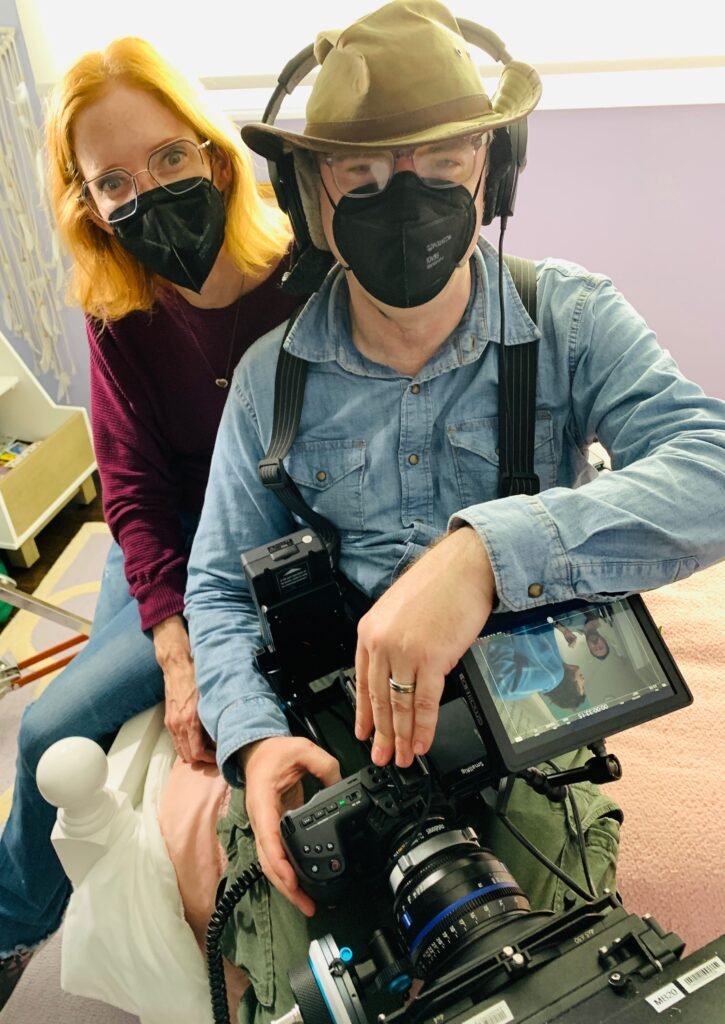
Identity is made by Adria Dawn and David Tarleton, a very multi-talented couple who have made filmmaking and educational training their strong points. In fact, Identity is episode eight in the series Kids Matter. They make these films with middle and high school students. Each year they’ve chosen a contemporary topic that kids face today: past topics have included those bullied, depressed, cyber bullied, socially excluded, etc.
«Identity was important for us to make because we wanted to support trans youth and the lgbtqia community. Pronouns and genders should be understood and respected by everyone, between adults and between children. We aim to give voice to our underrepresented youth in this series»
(Adria Dawn and David Tarleton)
Adria Dawn and David Tarleton
The film’s exploration of the struggles and challenges faced by transgender individuals, as well as the importance of friendship and support, is an important message that can help promote greater understanding and acceptance of diverse gender identities.
Additionally, the film’s portrayal of a group of kids who are questioning their own identities can also help young viewers who may be going through similar experiences feel less alone and more empowered to express their true selves.
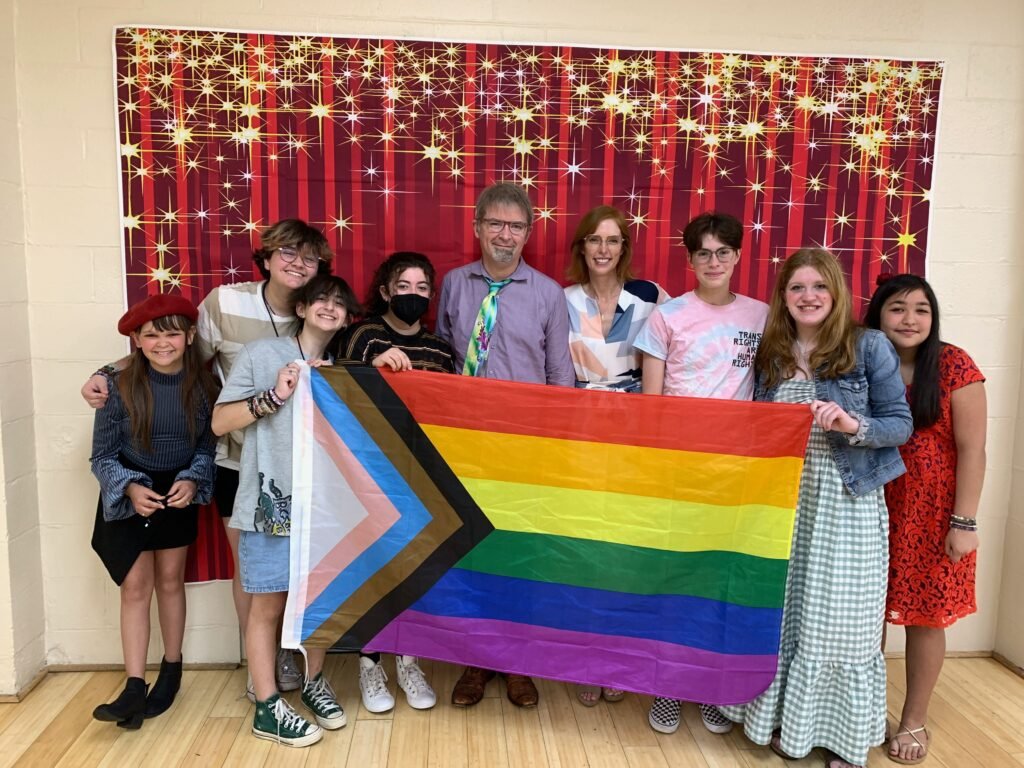
«The main story line of this film came from a real life experience from a cast member. Often our cast will share stories around the topic we are creating a film about and we use their stories as a springboard for our storytelling. We were honored to have three wonderful trans actors in our cast and after discussing if it was ok for us to use their story as inspiration, we infused it into this film».
(Adria Dawn and David Tarleton)
The creative process of Identity, between fiction and documentary, stems from the directly lived experiences of the school’s group of students, and evolves through the filmmakers’ accompaniment. The evolution of the film, therefore, with a plot turned into the making of the film itself, in which the experiences of the actors who became characters turn out to be a central element of the narrative. The change of the children, the awareness of their condition during the filmic creation, even the vision of the authors was transformed into a cinematic and existential exchange and interweaving.
«As we were making the film with these amazing kids, our vision of it changed. We were happy that we discovered that ultimately one doesn’t need to be able to clearly define who they are…they just need the freedom to be themselves».
(Adria Dawn and David Tarleton)
The film was born out of and for the existential and often unconscious questions of children. And the film concludes, offering itself to the viewer, by children and for children, and beyond. Space is thus left for each person’s experiences, free to become filmic material and free to be perceived for a viewer who can identify with the narrative without the presence of any judgment.
Through the depiction of these experiences, filmmakers can help to increase understanding and empathy for individuals who face discrimination and marginalization due to their gender identity.
«Gender is a type of imitation of which there is no original»