We interviewed young filmmaker James Newhook, a 2022 graduate of the College of the North Atlantic’s Digital Filmmaking program who is deeply passionate about the history of his native province, as represented in his latest film: The Lady Number 16.
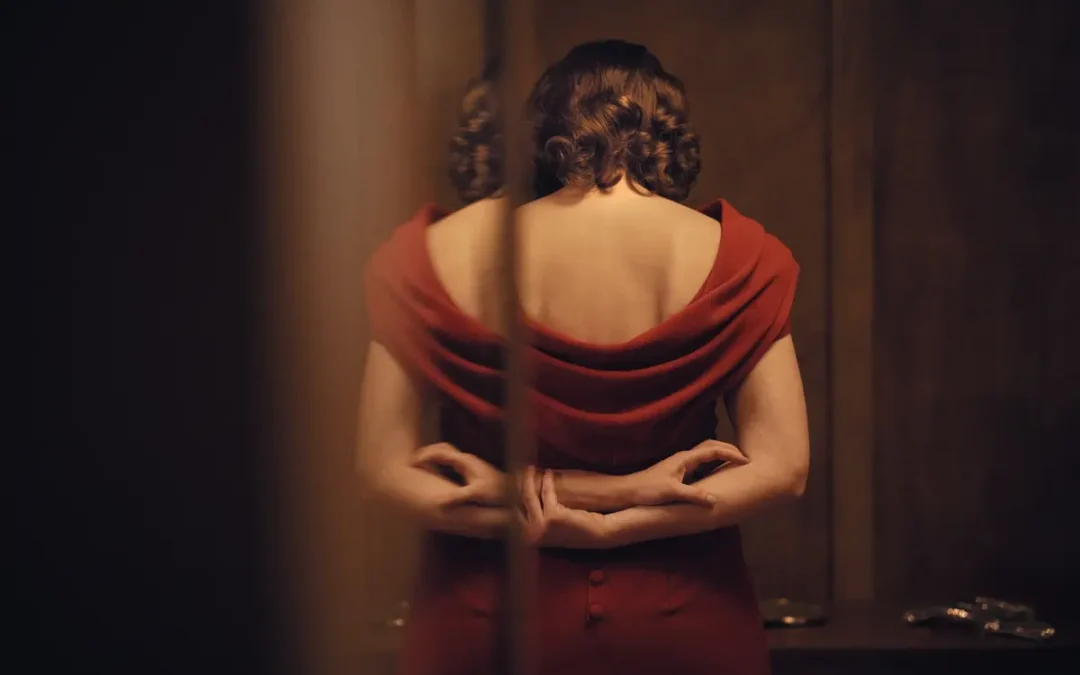
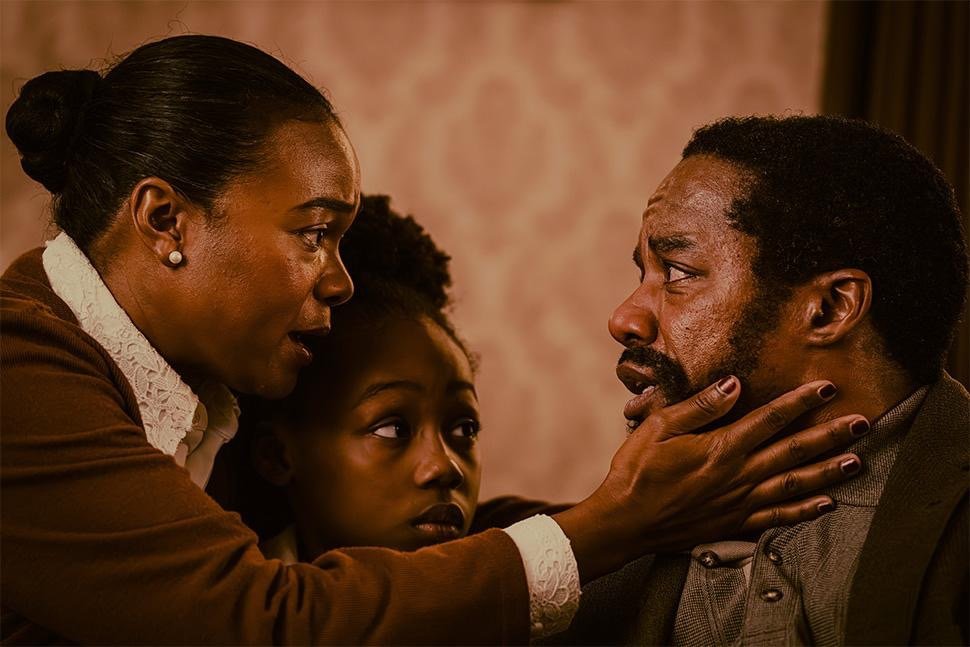
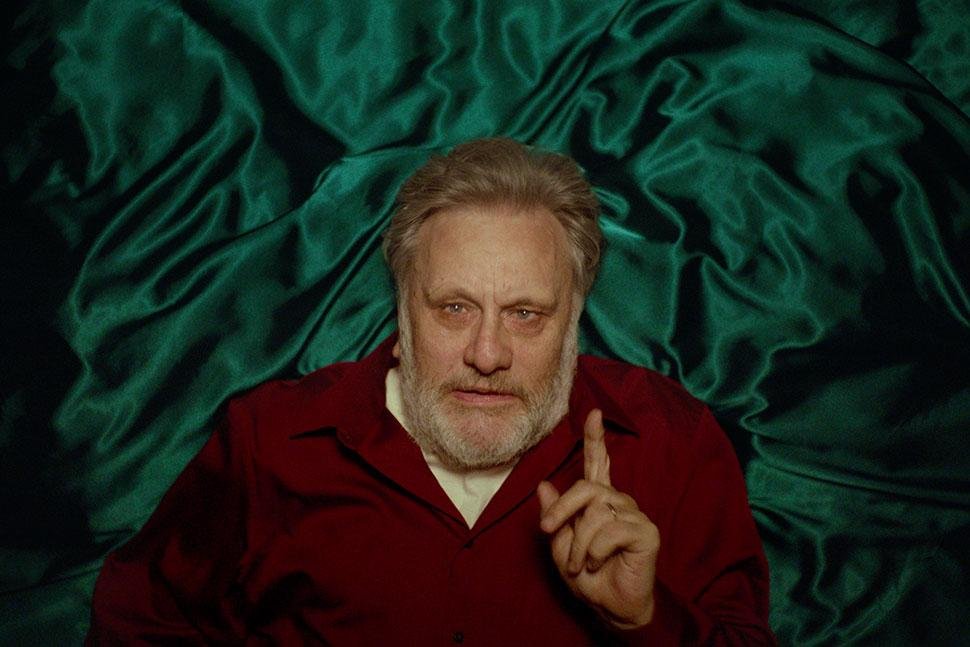
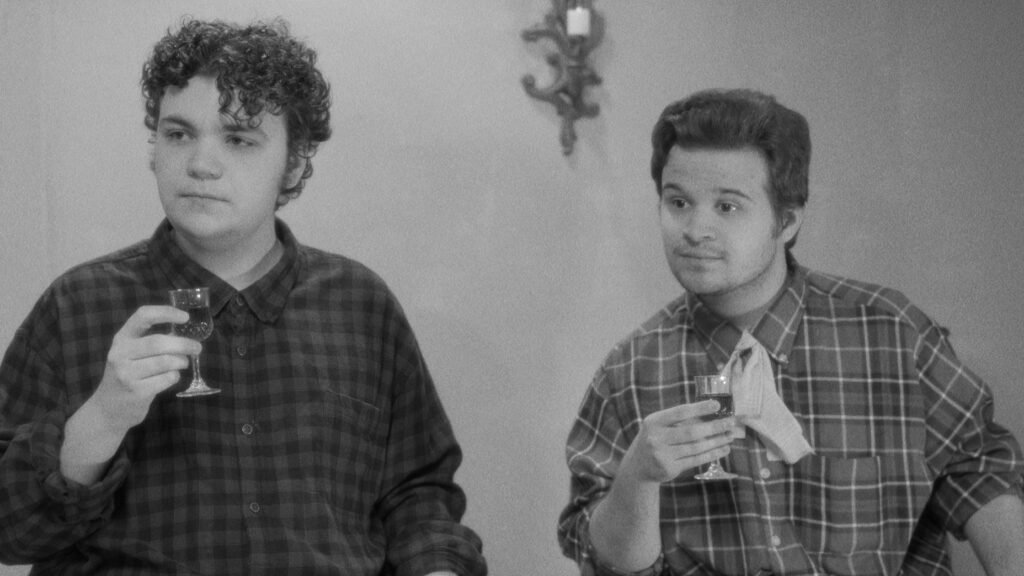
When two sailors help a Lady in need enter her house, they return later to find out that their evening was not all it seemed. Based on The Lady at Number 16 by Dale Jarvis.
Tell us about the creative process in the making of your film. Why did you choose to base it on The Lady at Number 16 by Dale Jarvis? How did the idea come about and how did it transform during its realisation?
JAMES NEWHOOK
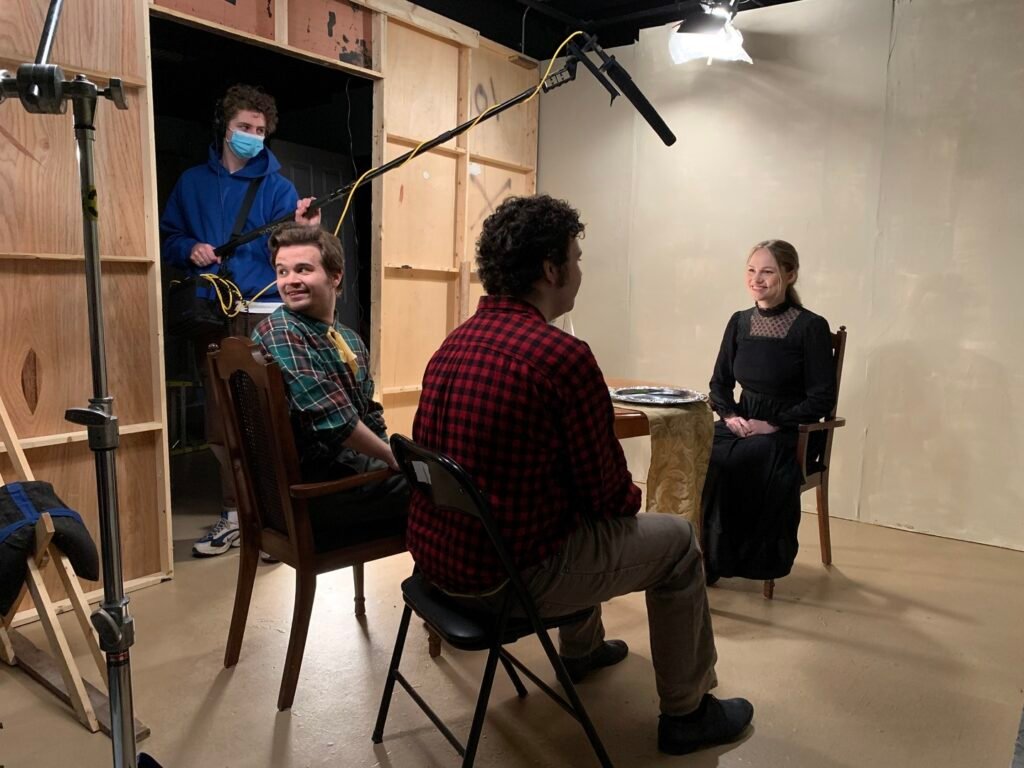
I decided on Lady at Number 16 from a suggestion from a friend, as adapting already existing stories appeals to me and ties into my interest in history. The story, which was adapted to Newfoundland culture by local historian and author Dale Jarvis, relied on a small cast and limited locations, which would make the production easier for me and everyone else. I had already adapted a local true story about a dress made out of a mysterious parachute in the 1950s called Gift From Above, so it wasn’t my first time adapting a story to the big screen.
What were your cultural, literary, musical, film and philosophical influences in general and for this specific work?
JAMES NEWHOOK
I was specifically inspired by the likes of films such as The Lighthouse, Citizen Kane and Ed Wood as with all three, the lack of colour has a greater purpose and helps tie into each story and overall theme of each film. The Lighthouse is also based off of an old story, and praises itself on its vintage feel, which was something that heavily inspired me going forward to give that sort of detail and attention to my own film production.
Why are you so interested in the history of your home province? How many stories does that place hide? Do you think that small details, small stories can tell the universal?
JAMES NEWHOOK
My home province of Newfoundland has so many stories, and a deep rooted culture that still lives strong to this day. My hometown of Placentia is very deeply intertwined in many different aspects of multiple countries, and for many years I worked at the O’Reilly House museum helping teach people about how vital Placentia and Newfoundland in general is. It helped teach me that history can be fun, it just depends on how it’s presented to you, as many people learn in many different ways. In doing so, it helped inspire me to continue to create films about my home province to help show it off, and even teach people or inspire them to preserve our history as well, as if we don’t adapt our stories or memories or songs for the next generations to come, or preserve them well enough, the lessons they taught or mistakes they made will all be for vein.
What is necessary to tell a story?
JAMES NEWHOOK
To tell a story, a general path is required, as it isn’t all about the ending or beginning. To make a story believeable, all parts need to be equally valued, and the characters and settings believeable. Consistency is the key I found in my work, as a very inonsistant character or plotpoint will take you out of the story entirely. It is a very hard job to do, but much like most parts of filmmaking, when it is done perfectly, it isn’t noticable, but when done poorly, it’s where people really start to stop paying attention to the film, but more towards all the flaws of it.
Do you think cinema can be a witness of history or also a transformer of history?
JAMES NEWHOOK
I believe that cinema can absolutely be a witness of history, but depending on how it is used, could also write and transform history as well. So many films of the past had major impacts on society such as The Birth of a Nation which painted a narrative which was incredibly biased, offensive and controversial, and did not regard anyone else’s perspective or thoughts other than those of one flawed viewpoint. Not all cinema has to be accurate, and not all of cinema needs to be biased, but a good idea of how impactful telling these stories to your impressionable audience is absolutely vital. It is important to get multiple viewpoints and perspectives when making films on certain topics to make sure it is not only unbiased, but also accurate and reputable as your film for many will be a look into another world, or a lens on another period of time. Film is a great way of preserving a pocket of history, how life was like back then, and many lessons from back then can still be used to teach the next generation if they want to stop and listen. It’s all about how you present it to them and if they take the lessons to heart, as history wether biased or not, is preserved to help the future not make the same errors others have made, and to help society progress further into equality and sustainable living for all.
What are your next projects?
JAMES NEWHOOK
I have recently graduated from the Digital Filmmaking program at the College of the North Atlantic in 2022, where my short film Lady at Number 16 was produced, and currently work as a videographer for local opera company “Opera on the Avalon”. I already have two films, Lady at Number 16 and Gift From Above under my belt, and have produced a documentary titled The Little Church That Could during my time in school, which is about the new life one of the churches in my hometown of Placentia has after being bought by the historical society. I hope to continue to create more, as recently I’ve been helping out with as many local productions and short films as much as I can, and hope to continue to grow and learn more about my province and my career as a whole as I develop many connections and skills to help inspire others the same way film inspires me.